.svg)

What Is Cloud Security? Top Cloud Security Solution & Types Explained

Alex Oosterman
A pattern we notice again and again is that many businesses assume their cloud provider handles all aspects of security. In reality, security is a shared responsibility, and overlooking your own role can put sensitive cloud data at risk. "Cloud security means protecting your data, applications, and systems in the cloud from unauthorized access and threats." Industry research shows that over half of organizations have experienced a cloud-related security incident, often due to unclear security responsibilities.
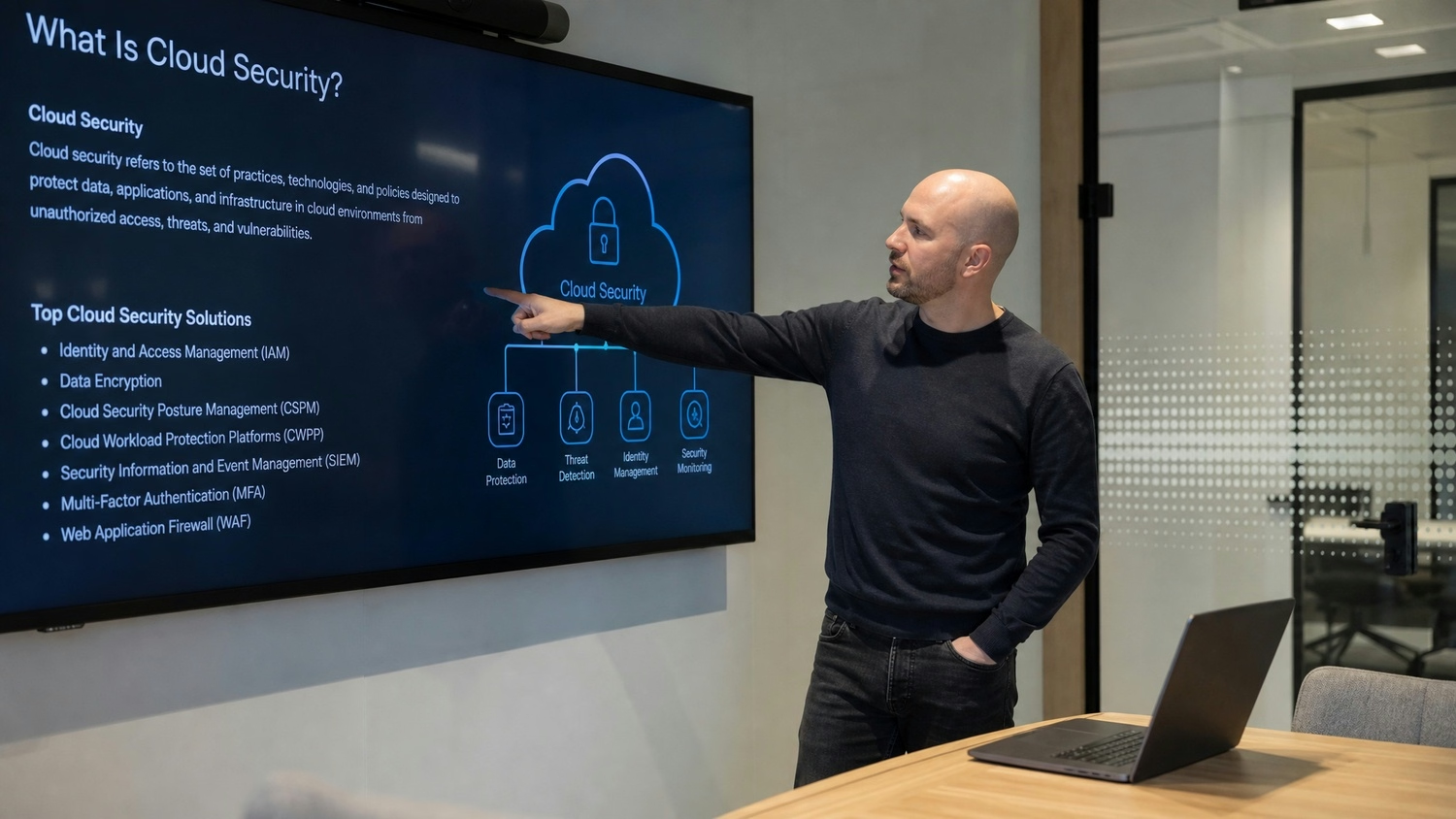
Cloud security is the set of strategies, tools, and policies designed to protect information, applications, and infrastructure in cloud computing environments. Whether you use a public cloud, private cloud, or hybrid cloud, you need security measures to defend against risks like data breaches, malware, and unauthorized access. Understanding what cloud security is helps you make informed decisions about how to protect your business, meet compliance requirements, and keep your operations running smoothly.
What is cloud security? The basics you need to know
Cloud security covers a wide range of practices and technologies. At its core, it’s about making sure only authorized people can access your cloud assets, keeping your cloud data safe, and ensuring your systems stay available and reliable. As more companies move to cloud service models, understanding the basics of cloud security is essential for protecting your business.
Cloud environments are different from traditional on-premises IT setups. You might use a public cloud (shared by many organizations), a private cloud (dedicated to your business), or a hybrid cloud (a mix of both). Each type of cloud comes with unique security risks, so it’s important to choose the right cloud security solution and tailor your security strategy to fit your needs.
Common mistakes and must-know facts about cloud security
Even experienced IT teams can make mistakes when it comes to cloud security. Here are some of the most common issues to watch for and what you can do to avoid them.
Mistake #1: Assuming the cloud provider handles everything
Many businesses think their cloud provider is responsible for all security measures. In reality, you are responsible for securing your data, user access, and configurations. Cloud providers secure the infrastructure, but you must manage your own security policies and controls.
Mistake #2: Weak identity and access management
Not setting up strong identity and access management (IAM) can leave your cloud environment open to unauthorized users. Always use multi-factor authentication and limit access to only those who need it.
Mistake #3: Ignoring cloud security posture management
Failing to monitor your cloud security posture can lead to unnoticed vulnerabilities. Use cloud security tools to regularly check your settings and spot risks before they become problems.
Mistake #4: Overlooking network security
Cloud assets are often connected to the internet, making network security critical. Use firewalls, encryption, and regular monitoring to protect against threats like DDoS attacks.
Mistake #5: Not planning for hybrid cloud environments
If you use both on-premises and cloud systems, you need a hybrid cloud security strategy. Make sure your security controls work across all environments and that data moves safely between them.
Mistake #6: Forgetting about compliance and data security
Different industries have different rules for data security. Make sure your cloud deployments meet all legal and regulatory requirements to avoid fines and protect your reputation.
Mistake #7: Failing to update security practices
Cloud security threats change quickly. Review and update your security policies and practices regularly to stay ahead of new risks.
Key benefits of strong cloud security
Reliable cloud security brings real advantages to your business:
- Protects sensitive cloud data from breaches and leaks
- Ensures business continuity by reducing downtime from attacks
- Helps meet compliance requirements and avoid costly penalties
- Builds trust with customers and partners
- Supports secure remote work and collaboration
- Makes scaling your cloud infrastructure safer and more efficient

Why cloud security is important for every business
No matter your size or industry, cloud security is important because it protects your most valuable information and keeps your business running. As more companies use cloud computing for daily operations, attackers are targeting cloud environments more often. Even a small mistake—like a misconfigured setting or weak password—can lead to big problems.
Cloud security is not just about technology. It’s about people, processes, and policies working together to reduce cloud security risks. By taking a proactive approach, you can prevent security threats before they impact your business. This means training your team, using the right cloud security tools, and regularly reviewing your security strategy.
Types of cloud security solutions and how they work
There are several types of cloud security solutions available. Here’s a closer look at the main options and how they protect your cloud environment.
Solution #1: Cloud workload protection platforms
A cloud workload protection platform (CWPP) helps secure applications and data running in the cloud. It monitors workloads for unusual activity and blocks threats before they cause harm. CWPPs are especially useful for businesses with complex cloud deployments.
Solution #2: Cloud security posture management tools
Cloud security posture management (CSPM) tools scan your cloud infrastructure for misconfigurations and vulnerabilities. They provide reports and recommendations so you can fix issues quickly and keep your cloud environment secure.
Solution #3: Identity and access management systems
IAM systems control who can access your cloud services and what they can do. By setting up strong IAM policies, you can prevent unauthorized access and limit the impact of compromised accounts.
Solution #4: Cloud detection and response services
Cloud detection and response (CDR) services use advanced analytics to spot threats in real time. They alert your team to suspicious activity and help you respond quickly to incidents.
Solution #5: Security controls for hybrid cloud
If you use a hybrid cloud, you need security controls that work across both on-premises and cloud environments. These controls help ensure consistent protection and make it easier to manage security responsibilities.
Solution #6: Data encryption and protection tools
Encrypting your data—both in transit and at rest—is one of the most effective ways to protect cloud information. Data protection tools help you manage encryption keys and monitor data access.
Solution #7: Third-party cloud security services
Some businesses choose to work with third-party cloud security providers for extra support. These services can help with everything from compliance to incident response.

How to build an effective cloud security strategy
Building a strong cloud security strategy starts with understanding your business needs and risks. Begin by identifying which cloud assets are most important, then decide which security measures are needed to protect them. This might include setting up security policies, using cloud security tools, and training your staff on security best practices.
It’s also important to regularly review your cloud security posture. Use monitoring tools to check for vulnerabilities and respond quickly to any incidents. Remember, cloud security is a shared responsibility—work closely with your cloud service provider to make sure all bases are covered.
Best practices for cloud data protection
Protecting your cloud data requires a mix of technology and good habits. Here are some best practices to follow:
- Use strong passwords and multi-factor authentication for all accounts
- Encrypt sensitive data both in transit and at rest
- Regularly back up your data and test your recovery plans
- Limit access to only those who need it
- Monitor your cloud environment for unusual activity
- Review and update your security policies often
Following these steps will help you reduce risks and keep your cloud data safe.

How Unified Technicians can help with what is cloud security
Are you a business with 50 or more employees looking to improve your cloud security? Growing companies face unique challenges as they move more operations to the cloud, and it’s easy to overlook key security measures as you scale.
At Unified Technicians, we understand the risks and complexities of cloud security for businesses like yours. Our team can help you assess your current setup, recommend the right cloud security solution, and support you every step of the way. Contact us today to protect your data and keep your business secure.
Frequently asked questions
What are the main security risks in cloud computing for large businesses?
Large businesses face security risks like unauthorized access, data breaches, and misconfigured cloud infrastructure. Cloud environments often have many users and complex setups, making it easy to overlook weak points. Using cloud security posture management tools helps identify and fix these risks quickly.
Another challenge is managing security responsibilities between your team and the cloud provider. Make sure you understand which security measures you control and regularly review your security policies to stay protected.
How do cloud security solutions protect sensitive cloud data?
Cloud security solutions use a mix of encryption, identity and access management, and monitoring to keep cloud data safe. These tools help you control who can access your information and alert you to suspicious activity. Data security is improved by encrypting files both in transit and at rest.
You should also use security controls like firewalls and regular audits. This layered approach makes it harder for attackers to reach your most important data.
What type of cloud deployment is best for security?
The best type of cloud deployment depends on your needs. Private cloud offers more control and is often used by businesses with strict security requirements. Public cloud is easier to scale but may require extra security measures.
Hybrid cloud combines both, letting you keep sensitive data in a private environment while using public cloud for less critical workloads. Each option has different security challenges, so assess your risks before choosing.
How can cloud security tools help with compliance?
Cloud security tools automate many compliance tasks, such as monitoring access and generating reports. They help you meet industry standards and prove you’re protecting cloud assets properly.
By using these tools, you can quickly spot gaps in your security practices and fix them before they lead to compliance issues. This is especially important for businesses in regulated industries.
Why is cloud security important for hybrid cloud environments?
Hybrid cloud environments connect on-premises and cloud systems, increasing the risk of security threats. Cloud security is important because it ensures data moves safely between environments and that your security measures are consistent.
Without proper cloud security strategies, you could expose sensitive information or create weak points that attackers can exploit. Always coordinate your security controls across all platforms.
What are the key components of cloud security for growing businesses?
Key components of cloud security include identity and access management, data encryption, network security, and regular monitoring. Each part works together to protect your cloud computing environments.
As your business grows, review your security strategy often and update your security controls to match new risks. This helps you stay ahead of threats and keep your cloud deployments secure.
Alex Oosterman is the founder of Unified Technicians, bringing 12+ years of IT leadership and expertise in cloud technologies, cybersecurity, and business technology solutions.




.svg)
